What Your Morning Routine May Be Doing to Your Blood Pressure Medication
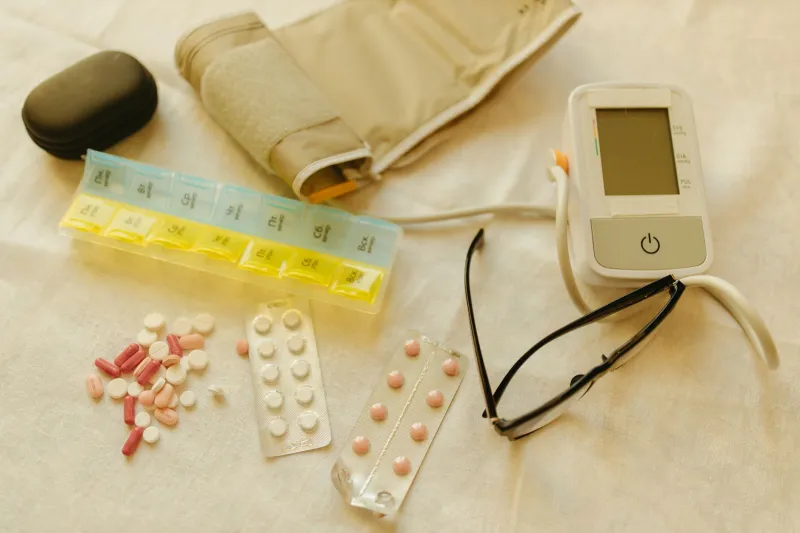
For many Americans, the morning ritual is nearly sacred: alarm sounds, feet hit the floor, and coffee begins brewing before eyes are fully open. Somewhere in that sequence, a lisinopril tablet gets swallowed — often with whatever liquid is closest. It seems straightforward. It rarely is.
The relationship between lisinopril and the beverages and habits that surround it is more nuanced than most patients realize. While lisinopril is not subject to the same dramatic food interactions as some other medications, a growing body of clinical observation suggests that timing, hydration patterns, and specific drink choices can meaningfully affect how well the drug performs throughout the day.
The Coffee Question: Timing Matters More Than You Think
Coffee is the most consumed beverage in the United States after water, and for lisinopril patients, it presents a layered consideration. Caffeine itself has a well-documented, if temporary, vasopressor effect — meaning it can cause blood vessels to constrict and blood pressure to rise. This effect is generally modest and tends to diminish with habitual consumption as tolerance develops. However, for patients whose hypertension is being carefully managed, even a transient spike in blood pressure shortly after taking lisinopril can create a counterproductive dynamic.
The practical concern is less about coffee being chemically incompatible with lisinopril and more about the competing physiological signals occurring at the same time. Lisinopril works by inhibiting the angiotensin-converting enzyme, relaxing blood vessels and reducing blood pressure over a period of hours. Consuming a significant amount of caffeine in the same window introduces a short-term opposing force. For most patients, this does not constitute a dangerous interaction, but it may blunt the perceived benefit during morning hours — precisely the time when blood pressure tends to run highest.
A practical strategy many clinicians suggest is separating lisinopril administration from caffeine consumption by at least 30 to 60 minutes where possible, or taking the medication slightly earlier in the morning before coffee is introduced. Patients who monitor their blood pressure at home often find this small adjustment produces more consistent morning readings.
Grapefruit and Citrus: A Nuance Worth Noting
Grapefruit juice has become synonymous with medication interactions, and patients frequently ask whether it applies to lisinopril. The short answer is that lisinopril is not metabolized through the cytochrome P450 3A4 enzyme pathway that grapefruit famously disrupts. Unlike statins or certain calcium channel blockers, lisinopril does not carry a categorical grapefruit contraindication.
However, this does not mean citrus beverages are entirely without influence. Large quantities of grapefruit juice can modestly affect blood pressure through mechanisms unrelated to enzyme inhibition, and some patients report gastrointestinal sensitivity when taking ACE inhibitors alongside acidic beverages on an empty stomach. While these effects are generally mild, patients who experience unexplained nausea or inconsistent blood pressure control may benefit from evaluating their juice consumption habits in conversation with their provider.
Electrolyte Drinks and Sports Beverages: The Potassium Problem
The American market has seen an explosion of electrolyte-enhanced beverages — from sports drinks to hydration powders to coconut water products marketed for everyday wellness. These products often contain meaningful amounts of potassium, and that is where lisinopril patients need to pay attention.
Lisinopril, like all ACE inhibitors, reduces the excretion of potassium by the kidneys. This potassium-sparing effect is generally beneficial, but it also means that additional potassium from dietary or supplemental sources can accumulate more readily than it would in a person not taking the medication. Elevated potassium levels — a condition called hyperkalemia — can cause serious cardiac complications if left unaddressed.
Many patients are unaware that their post-workout electrolyte drink, daily coconut water habit, or potassium-enriched hydration supplement represents a meaningful source of additional potassium. A single serving of some commercial electrolyte products contains 300 to 700 milligrams of potassium. Consumed regularly alongside lisinopril, particularly in patients who also use potassium-sparing diuretics or who have any degree of kidney impairment, this can shift potassium levels into a concerning range.
This does not mean lisinopril patients must avoid all electrolyte beverages. It does mean that these products warrant discussion with a healthcare provider, and that routine potassium monitoring — which should already be a standard part of lisinopril management — becomes particularly important for patients who consume them regularly.
Alcohol: A Compounding Effect
Alcohol and antihypertensive medications are a combination that deserves more candid discussion than it typically receives. Alcohol has vasodilatory properties, meaning it lowers blood pressure — at least in the short term. When combined with lisinopril, which also lowers blood pressure, the result can be an exaggerated hypotensive effect. Patients may experience lightheadedness, dizziness, or a sudden drop in pressure upon standing, a condition known as orthostatic hypotension.
For patients who consume alcohol occasionally and in modest amounts, the risk is generally manageable with awareness. The more significant concern involves patients who drink regularly or in larger quantities, as chronic alcohol use is independently associated with hypertension and can progressively undermine the effectiveness of antihypertensive therapy over time. Patients who notice that their blood pressure control has become erratic without obvious cause may find that a candid reassessment of alcohol consumption is a productive starting point.
Water: The Underestimated Variable
Among all the beverages in a patient's day, water is the one most directly tied to lisinopril's reliable performance. Adequate hydration supports stable blood volume, which in turn allows antihypertensive medications to function within a predictable physiological range. Dehydration, by contrast, can cause blood pressure to become volatile — sometimes dropping sharply, sometimes triggering compensatory mechanisms that push it higher.
Patients who take lisinopril and engage in activities that promote fluid loss — vigorous exercise, prolonged heat exposure, or illness involving vomiting or diarrhea — should be particularly attentive to rehydration. Significant dehydration in the context of ACE inhibitor therapy can place additional strain on the kidneys, an organ that lisinopril monitoring protocols already prioritize.
Taking lisinopril with a full glass of water, rather than a sip or whatever beverage is at hand, is a simple habit with practical value. It aids in consistent absorption and supports the hydration baseline that antihypertensive therapy depends on.
Building a Routine That Works With Your Medication
The goal of this discussion is not to create anxiety around every beverage choice, but to encourage a more deliberate relationship between daily habits and medication management. Lisinopril is a highly effective, well-tolerated therapy for millions of Americans — and its effectiveness is not diminished by coffee, electrolyte drinks, or a glass of wine in isolation. What matters is pattern, quantity, and timing.
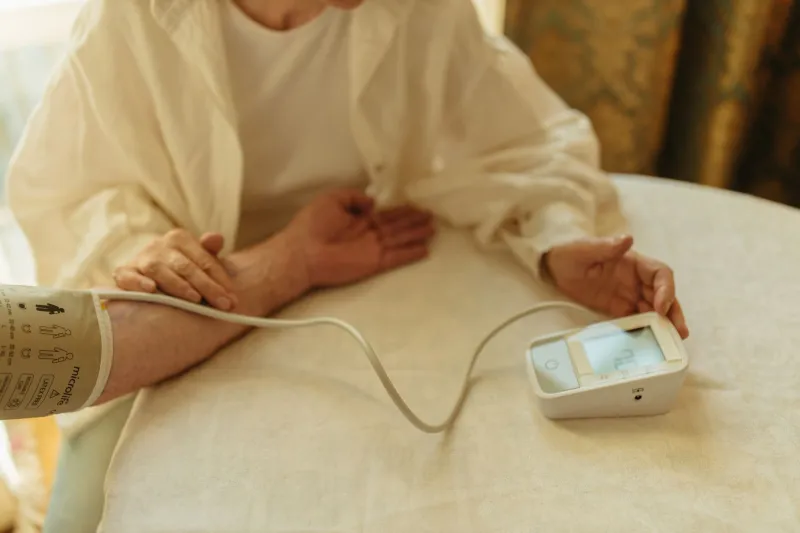
Patients who find their blood pressure readings inconsistent despite good medication adherence may benefit from keeping a brief log that includes not just when they take lisinopril, but what they consume in the surrounding hours. This kind of observational data, shared with a prescribing provider or pharmacist, can surface patterns that neither party would otherwise recognize.
At LisinoprilStore, we believe that effective hypertension management extends well beyond the moment a tablet is swallowed. The hours surrounding that dose — and the choices that fill them — are part of the treatment story too.