Packing Your Pressure Plan: How to Keep Lisinopril on Schedule From Coast to Coast
For millions of Americans, a prescription for lisinopril travels everywhere they do — or at least, it should. Yet between airline connections, hotel check-ins, and the general chaos of being away from home, medication routines are among the first casualties of travel. If you manage hypertension, consistency is not optional. Here is how to protect it, whether you are heading to a conference in Chicago or a two-week visit with family in Florida.
Know the Rules Before You Pack
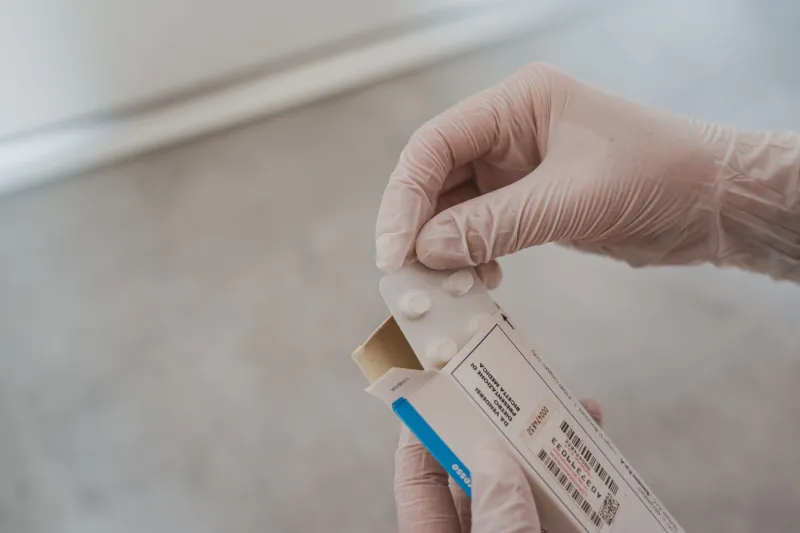
The Transportation Security Administration does not require prescription medications to be in original packaging, but keeping them labeled is strongly advised — especially if you carry anything that could raise questions at screening. Pills may travel in carry-on or checked luggage, but experienced travelers and pharmacists overwhelmingly recommend the carry-on. Checked bags get delayed, rerouted, and occasionally lost, and replacing a prescription from an unfamiliar city is far harder than carrying an extra bottle.
A few packing principles worth adopting:
- Bring more than you need. A good rule of thumb is one additional week of medication beyond your trip length, in case of delays.
- Split your supply. Carry one bottle in your personal item and a backup quantity in your suitcase.
- Keep the original label. It confirms the medication is prescribed to you, which matters if you need an emergency refill or pass through security anywhere stricter than a US airport.
Timing Doses Across Time Zones
Lisinopril is typically taken once daily, which gives travelers welcome flexibility. You do not need to take your dose at the same clock time in every time zone — what matters is maintaining roughly 24-hour spacing between doses.
A common approach: when you cross time zones, take your next dose at your usual home time adjusted gradually. If you normally dose at 8 a.m. in New York and fly to Los Angeles, your 8 a.m. becomes 5 a.m. locally — most people simply shift toward local time over a day or two, taking doses no closer than about 20 to 24 hours apart. Never double up to "catch up."
Long international flights deserve special mention. Set a phone alarm for your dosing window in the destination's time zone, and keep your pills in the seat pocket or personal item rather than the overhead bin.
Refills on the Road
Sooner or later, every frequent traveler faces the same problem: the bottle runs dry in a city where you know no pharmacist. Fortunately, lisinopril is stocked nearly everywhere, and most major pharmacy chains — CVS, Walgreens, and independents alike — can transfer or verify a prescription quickly.
Before a long trip, take these steps:
- Refill early. Do not leave with less than a full supply, even if your refill date falls mid-trip. Many insurance plans and pharmacies allow vacation overrides for early refills.
- Ask your pharmacy about chain transfers. If you use a national chain, your prescription can often be accessed at any branch.
- Carry your prescriber's contact information. A pharmacist verifying a refill will want a name and phone number.
If a dose is missed entirely, take it when you remember unless you are close to the next scheduled dose — in which case, skip and resume. One missed day rarely upsets well-controlled blood pressure, but do not let one missed day become a week of vacation drift.
Vacation Habits That Quietly Raise the Stakes
Travel disrupts more than just pill timing. Restaurant meals carry far more sodium than home cooking, alcohol flows more freely, sleep suffers, and long flights encourage dehydration — a genuine concern for anyone on a blood pressure medication. Lisinopril does not typically cause the fluid losses associated with some diuretics, but heavy sweating, illness, or very low fluid intake combined with any antihypertensive can leave you lightheaded.
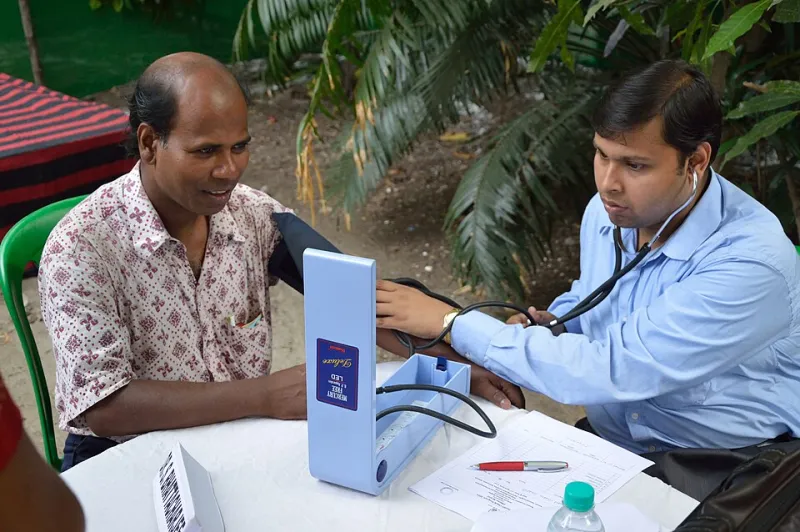
Build small safeguards into the trip: drink water steadily on travel days, go easy on the hotel bar, and if you use a home cuff, toss it in your bag. A quick reading after a red-eye flight or a salty dinner tells you far more than guesswork.
The Bottom Line
Hypertension does not take a vacation, and neither does the need for steady treatment. A little advance planning — extra pills, carry-on storage, a dosing alarm, and a refill plan — ensures your blood pressure stays managed whether you are at your kitchen table or three time zones away. Safe travels, and steady numbers.