Your Doctor Is Now a Screen: Telehealth and the New Reality of Blood Pressure Care

A decade ago, managing hypertension meant an annual physical, a paper prescription, and a trip to the corner pharmacy. Today, a patient can order a connected cuff, log readings to an app, discuss their lisinopril dose over a video call, and have a three-month supply arrive by mail — without leaving the house. Telehealth has fundamentally rewired how Americans manage their blood pressure. The question worth asking is not whether virtual care works, but where it works, and where it quietly falls short.
What Virtual Care Gets Right
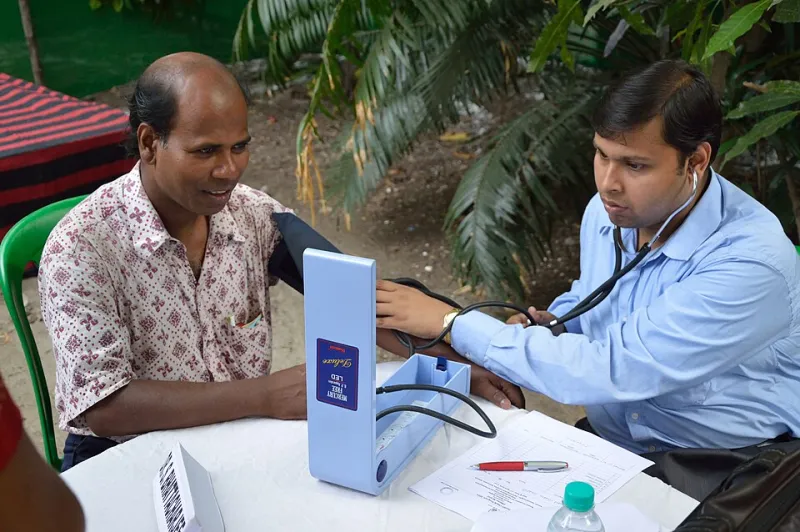
The strongest argument for telehealth in hypertension is a statistical one: hypertension is, at its core, a numbers problem managed over time. Home and remote cuff readings are actually more representative than the single reading taken in a clinic, where white-coat anxiety can inflate results by 10 points or more. A week of morning measurements from your kitchen table tells your provider more than one nervous afternoon in an exam room ever could.
Virtual care also removes friction, and friction is where adherence goes to die. No commute, no waiting room, no half-day of PTO for a fifteen-minute titration appointment. For patients in rural counties — where the nearest cardiologist may be an hour away — and for shift workers who cannot easily take weekday appointments, telehealth has converted missed appointments into kept ones. Mail-order pharmacies compound the effect, syncing refills and shipping 90-day supplies that reduce the refill gaps notorious for derailing treatment.
Where the Screen Falls Short
Yet blood pressure is not only a number, and this is where purely virtual care shows its seams. A video call cannot detect the ankle swelling that might suggest a medication issue, listen for the heart rhythm irregularities that complicate treatment choices, or run the kidney function labs that every lisinopril patient needs periodically. ACE inhibitor therapy requires bloodwork — potassium and creatinine at minimum — and no app can draw blood.
There are subtler losses, too. Hypertension frequently travels with companions: high cholesterol, sleep apnea, diabetes, anxiety. A clinician who only sees a patient's cuff data may miss the broader picture that a hands-on exam and an unhurried conversation reveal. And remote titration, while efficient, depends entirely on accurate home readings — which assumes the patient has a validated device, uses correct technique, and reports honestly. Garbage in, garbage out.
Making Hybrid Care Work for You
The sensible conclusion is not to reject telehealth but to be deliberate about it. Patients managing their blood pressure virtually should:
- Invest in a validated upper-arm cuff, not a wrist model, and learn proper technique: seated, back supported, arm at heart level, after five minutes of rest.
- Keep essential labs in-person. Ask how often kidney function and potassium should be checked, and actually schedule it.
- Maintain at least an annual in-person visit when possible, preserving the physical exam and the relationship that video calls cannot fully replace.
- Flag symptoms promptly. A persistent cough, dizziness, or swelling warrants more than a portal message — it warrants a real evaluation.
The Verdict
Telehealth has made lisinopril care more accessible, more data-rich, and less burdensome — genuine wins for a condition that depends on long-term consistency. But the best remote care is anchored, not isolated: virtual monitoring between real examinations, real labs, and a real relationship with a clinician who knows more about you than your app feed. Convenience is a tool. Use it to strengthen your care, not to substitute for it.